Best Seasons to Visit Iceland for Northern Lights
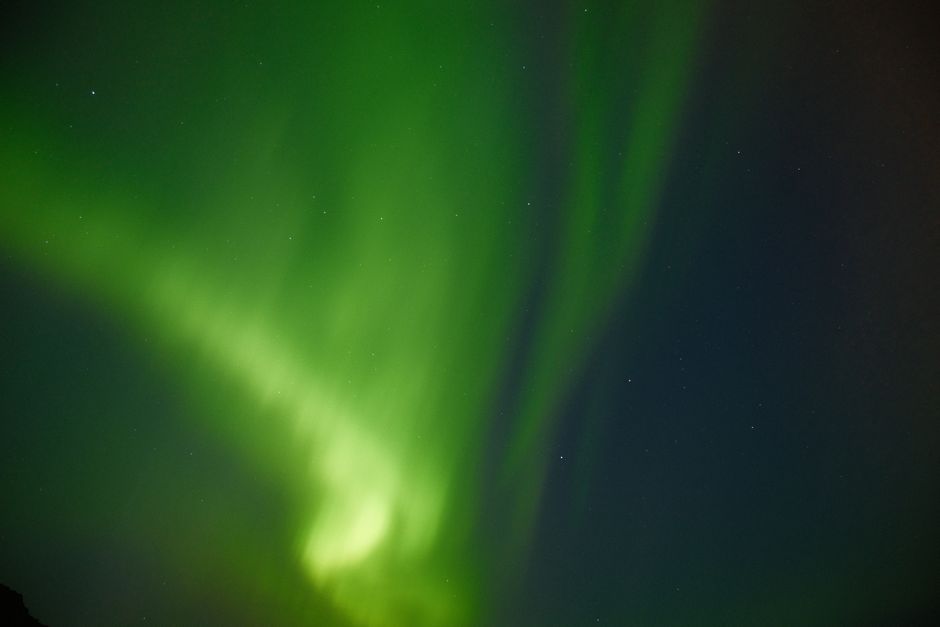
Planning a trip to Iceland to see the northern lights involves understanding how weather, daylight, and aurora activity interact throughout the year. The aurora borealis is a natural phenomenon that depends on solar activity and clear skies, and Iceland’s location just below the Arctic Circle makes it a popular destination for aurora viewing. However, visibility varies significantly from month to month due to factors such as cloud cover, precipitation, and the length of nights. This article provides a month-by-month breakdown of these conditions to help travelers make informed decisions about when to visit.
Iceland’s climate is shaped by its oceanic setting and proximity to the Arctic, resulting in cool summers and relatively mild winters for its latitude. Daylight hours fluctuate dramatically, from nearly 24 hours of light in June to only a few hours in December. Aurora viewing requires darkness, so the optimal seasons are those with long nights and sufficiently clear skies. While no month guarantees aurora sightings, understanding the typical patterns can help travelers align their plans with the best possible conditions.
It is important to note that aurora forecasts are based on solar activity and geomagnetic conditions, which can change rapidly. Travelers should consult local weather and aurora forecasts during their trip and remain flexible with their itineraries. The information below is intended as a general guide, and actual conditions may vary. For personalized advice, consider consulting with a travel specialist such as Wanderlust Compass.
Understanding Aurora Season and Viewing Conditions
The aurora season in Iceland generally extends from late August to mid-April, when nights are sufficiently dark for auroral displays to be visible. During the summer months, the midnight sun keeps the sky bright even at night, making aurora observation impossible. The equinoxes in September and March often see increased geomagnetic activity, which can enhance aurora frequency. However, cloud cover remains a significant factor, as Iceland frequently experiences overcast skies, especially in winter.
Viewing conditions also depend on light pollution and the moon phase. A bright moon can wash out faint auroras, while a new moon provides darker skies. Travelers often seek locations away from city lights, such as national parks or rural areas, to improve their chances. Additionally, aurora strength is measured by the Kp index, which indicates geomagnetic disturbance; higher values suggest more widespread and vivid displays. While a high Kp index increases the likelihood of seeing the aurora, it does not guarantee visibility if clouds obstruct the view.
It is also worth noting that aurora visibility is highly dependent on local weather patterns. Coastal areas may have different cloud cover than inland regions. Therefore, travelers may need to move to different locations to find clear skies. Understanding these variables can help in planning a trip that maximizes the potential for aurora viewing.
Month-by-Month Breakdown: August to October
August marks the beginning of the aurora season as nights gradually lengthen. Daylight hours are still long, with around 14-16 hours of light in early August, decreasing to about 11-12 hours by the end of the month. This means that aurora viewing is only possible in the late-night hours. Temperatures are relatively mild, ranging from 8°C to 12°C (46°F to 54°F), but rain is common. Cloud cover can be variable, and travelers may need to wait for clear spells. The aurora may appear but is often faint due to lingering twilight.
September offers a balance of darker nights and milder weather compared to winter. Daylight decreases to about 12-13 hours by mid-month and 10-11 hours by the end. Temperatures cool to around 5°C to 10°C (41°F to 50°F). This month is often considered favorable for aurora viewing because of the equinox effect, which can lead to increased geomagnetic activity. However, September also brings higher precipitation and stormy conditions, so clear nights are not guaranteed. Travelers should monitor forecasts closely.
October sees further reduction in daylight, with around 9-10 hours of light early in the month and 7-8 hours by the end. Nights become longer, providing more opportunities for aurora viewing. Temperatures drop to 2°C to 7°C (36°F to 45°F), and snowfall may begin in northern regions. Cloud cover remains a challenge, but the darker skies can make auroras more visible when they occur. It is advisable to have a flexible schedule to take advantage of clear nights.
Month-by-Month Breakdown: November to January
November is characterized by short days and long nights, with daylight ranging from 6-7 hours early in the month to 4-5 hours by the end. Temperatures hover around -1°C to 4°C (30°F to 39°F). This month often experiences frequent storms and heavy cloud cover, which can hinder aurora viewing. However, when skies clear, the long darkness provides ample opportunity. Travelers should be prepared for winter driving conditions and possible road closures.
December has the shortest days, with only about 4-5 hours of daylight. The sun remains low on the horizon, creating a twilight effect even during the day. Temperatures typically range from -2°C to 3°C (28°F to 37°F). While the extended darkness is ideal for aurora viewing, the weather can be unpredictable, with snow and strong winds. Clear nights may be rare, but when they occur, the aurora can be spectacular. It is essential to dress warmly and check road conditions before venturing out.
January offers similar conditions to December, with daylight increasing slightly to 5-6 hours by the end of the month. Temperatures remain cold, around -2°C to 3°C (28°F to 37°F). The aurora season is in full swing, and the long nights provide plenty of viewing time. However, cloud cover and precipitation can still impede visibility. Travelers often find that patience and persistence are key during this period.
Month-by-Month Breakdown: February to April
February brings a gradual increase in daylight, reaching about 8-9 hours by late February. Temperatures remain cold, ranging from -2°C to 4°C (28°F to 39°F). The aurora season continues, and the slightly longer days allow for more daytime activities. Cloud cover can still be an issue, but clear nights are not uncommon. The equinox in March can enhance aurora activity, making late February and early March a promising time.
March sees a significant change as daylight extends to 11-12 hours by the end of the month. Temperatures start to rise, averaging 0°C to 5°C (32°F to 41°F). The equinox effect around March 20 can lead to increased geomagnetic disturbances, potentially resulting in more vivid auroras. However, as daylight increases, the window for aurora viewing narrows to the darker hours. Weather conditions can be variable, with a mix of clear and cloudy days.
April marks the tail end of the aurora season, with daylight reaching 14-15 hours by late April. Temperatures warm to 2°C to 6°C (36°F to 43°F). The nights are no longer fully dark, and aurora viewing becomes limited to the few hours of twilight. While it is still possible to see the aurora in early April, the chances diminish as the month progresses. Travelers planning an aurora-focused trip might consider earlier months for better darkness.
Practical Considerations for Aurora Travel
When planning an aurora trip to Iceland, it is important to consider factors beyond just the season. The length of stay can impact the likelihood of seeing the aurora, as longer trips provide more opportunities to wait for clear skies. A minimum of five to seven days is often suggested to increase the chance of encountering favorable conditions. Additionally, selecting a base location with easy access to dark-sky areas can be beneficial.
Transportation and accommodation should be booked well in advance, especially during peak aurora months. Winter driving in Iceland can be challenging, and travelers may opt for guided tours to navigate safely. Many tour operators offer aurora hunting excursions that adjust to weather and aurora forecasts. It is also advisable to have a backup plan for daytime activities, such as visiting waterfalls, glaciers, or geothermal areas, in case of cloudy nights.
Finally, understanding the limitations of aurora forecasting is crucial. Even with the best planning, sightings are never guaranteed. Travelers should approach aurora viewing with realistic expectations and a spirit of adventure. For those seeking expert guidance, companies like Wanderlust Compass can provide tailored advice and itineraries. By combining knowledge of seasonal patterns with flexibility and preparation, travelers can enhance their overall experience in Iceland.