How to Travel Across Japan by Train on a Budget
Traveling across Japan by train is a popular way to experience the country’s efficient and extensive rail network. For travelers from the United States, understanding the various ticket options, passes, and strategies can help manage costs while allowing for flexible exploration of multiple cities. This article provides an informational overview of the Japan Rail Pass, regional passes, and other money-saving considerations, without offering definitive recommendations or guaranteeing specific outcomes.
Planning a budget-friendly train journey in Japan involves considering factors such as travel duration, destinations, and the frequency of train rides. While the Japan Rail Pass is one well-known option, regional passes and individual tickets may also be relevant depending on the itinerary. The information presented here is intended to support informed decision-making, recognizing that individual circumstances and external factors can influence the overall travel experience.
As you read, keep in mind that prices, availability, and terms of passes can change. It is advisable to consult official sources for the most current details before making any commitments. The goal is to outline general approaches and contextual factors, not to prescribe a specific course of action.
Understanding the Japan Rail Pass
The Japan Rail Pass is a product offered by the Japan Railways Group, designed for foreign visitors. It allows unlimited travel on most JR trains, including shinkansen (bullet trains), limited express trains, and local trains, across the country. The pass is available in different durations, such as 7, 14, or 21 consecutive days, and can be purchased in ordinary or green car (first-class) versions. For travelers planning extensive train travel across multiple regions, the pass may offer convenience by eliminating the need to buy individual tickets for each journey.
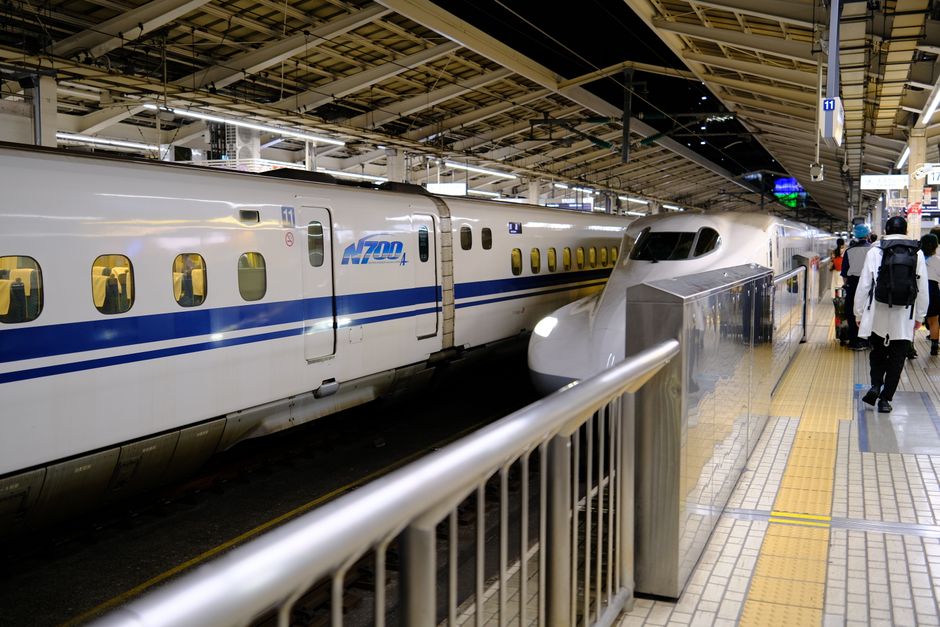
However, the pass is not always the most economical choice for every itinerary. Its value depends on the distance and frequency of travel. For example, a traveler focusing on a single region or making fewer long-distance trips might find that individual tickets or regional passes are more cost-effective. Additionally, the pass does not cover certain trains, such as the Nozomi and Mizuho shinkansen services, which require supplementary fees. Understanding these details is essential for evaluating whether the pass aligns with your travel plans.
When considering the Japan Rail Pass, it is important to note that it must be purchased before arriving in Japan, although some exceptions apply. Activation occurs upon arrival, and the pass is valid for consecutive days. Travelers should also be aware that seat reservations are recommended for certain trains, especially during peak seasons, but they can be made without additional cost for pass holders. Overall, the pass can be a useful tool for flexible travel, but it is not a universal solution for all budgets.
Regional Passes and Their Relevance
In addition to the national Japan Rail Pass, various regional passes are offered by JR companies and private railway operators. These passes typically cover a specific area, such as Kyushu, Hokkaido, or the Kansai region, and can be more affordable for travelers who plan to explore a particular area in depth. Regional passes often include unlimited travel on local trains, buses, and sometimes ferries within the designated zone, providing a convenient way to discover less-traveled destinations.
For example, the JR Kyushu Rail Pass allows travel on JR trains in Kyushu, including the Kyushu Shinkansen, and can be a cost-effective option for those focusing on southern Japan. Similarly, the JR East Pass covers the eastern Honshu region, including Tokyo and Tohoku, and offers flexibility for exploring multiple cities within that area. These passes are generally available for durations ranging from a few days to a week, and some can be purchased after arrival in Japan.
When evaluating regional passes, consider factors such as the number of travel days, the extent of the network covered, and whether the pass includes access to popular tourist routes. It is also worth comparing the cost of the pass with the sum of individual tickets for the planned journeys. While regional passes can yield savings, they may not be advantageous if travel is limited to a small area or if the pass does not cover the desired trains. As with the national pass, terms and conditions can vary, so checking official websites is advisable.
Money-Saving Strategies for Train Travel
Beyond passes, several strategies can help manage costs when traveling by train in Japan. One approach is to use local trains instead of shinkansen for shorter distances; while slower, they are often significantly cheaper. For example, traveling between Kyoto and Osaka on local trains costs a fraction of the shinkansen fare and takes only slightly longer. Another option is to consider overnight buses for long-distance travel, though this is not train-related, it can free up budget for train travel in other areas.
Flexibility with travel dates and times can also influence costs. During off-peak seasons, some train tickets may be cheaper, and seat availability is generally better. Additionally, purchasing a prepaid IC card, such as Suica or ICOCA, can simplify paying for local trains and subways, though these cards do not offer discounts on shinkansen or limited express trains. They do, however, save time and avoid the need to buy paper tickets for each ride.
For travelers planning multiple long-distance trips, comparing the total cost of individual tickets with the price of a Japan Rail Pass is a practical step. It is also worth noting that some passes offer discounts for children or groups, and occasional promotional offers may be available. Keeping an eye on exchange rates can also affect the overall cost for international travelers, as the yen price translates to varying amounts in foreign currency.
Finally, consider the trade-off between speed and cost. While shinkansen are fast and convenient, they are priced at a premium. If time is not a constraint, slower trains can provide a more scenic and economical way to travel. However, this approach requires more travel time, which may impact the overall itinerary. Each traveler’s balance of time, money, and convenience will differ, so there is no single best strategy.
Planning Your Itinerary and Budget
Effective planning is key to managing a train travel budget in Japan. Start by mapping out the cities and regions you wish to visit, and estimate the distances between them. This will help determine whether a national pass, regional pass, or individual tickets make the most sense. Online tools and official JR websites can provide fare calculators and route planners to assist with this process. It is also useful to consider the frequency of travel; if you plan to move every day or two, a pass might be more convenient, whereas staying in one place for longer periods may favor individual tickets.
Another consideration is the type of train you prefer. Shinkansen offer speed and comfort, but local trains and limited express trains can be cheaper, albeit slower. Some travelers may opt for a mix, using shinkansen for long hauls and local trains for shorter hops. This hybrid approach can balance cost and time. Additionally, booking accommodations near train stations can reduce local transit costs and make early departures easier.
It is also important to account for additional expenses such as seat reservations, which are free with the Japan Rail Pass but may incur a fee with individual tickets. Luggage storage and occasional bus or subway rides can add up, so including these in your budget is prudent. While planning, remain open to adjustments; unexpected opportunities or changes in itinerary may arise, and having a flexible budget can accommodate such shifts.
Practical Tips and Considerations
When traveling by train in Japan, a few practical tips can enhance the experience. First, consider purchasing a Suica or ICOCA card upon arrival; these rechargeable cards are accepted on most trains, subways, and buses in major cities, and can be used at convenience stores and vending machines. They are not valid for shinkansen or limited express trains unless combined with a ticket, but they simplify local travel. Second, take advantage of luggage forwarding services (takkyubin) if you plan to move between cities frequently; this can reduce the hassle of carrying bags on crowded trains, though it adds to the cost.
Third, be mindful of peak travel seasons, such as Golden Week, Obon, and New Year, when trains are crowded and reservations are essential. During these times, flexibility may be limited, and costs for accommodations can rise. Traveling during off-peak periods can alleviate some of these pressures. Fourth, learning a few basic Japanese phrases can be helpful when asking for directions or assistance at train stations, though many signs and announcements are in English.
Finally, consider the environmental aspect: trains are generally a more energy-efficient mode of transport compared to flying or driving. For travelers from the United States, adapting to Japan’s train-centric travel may require a shift in mindset, but it can be a rewarding way to see the country. As with any travel planning, consulting official sources and staying informed about current conditions is advisable. Wanderlust Compass encourages travelers to research thoroughly and make choices that align with their personal preferences and constraints.