Budgeting for a Two-Week Trip to Peru
Planning a two-week trip to Peru involves understanding the various cost components that can influence your overall budget. From international airfare to daily expenses on the ground, each element contributes to the total financial outlay. This article provides a comprehensive overview of typical costs for accommodation, food, transport, and activities, along with strategies for managing expenses. The information is intended to help travelers make informed decisions and prepare for a range of possible scenarios.
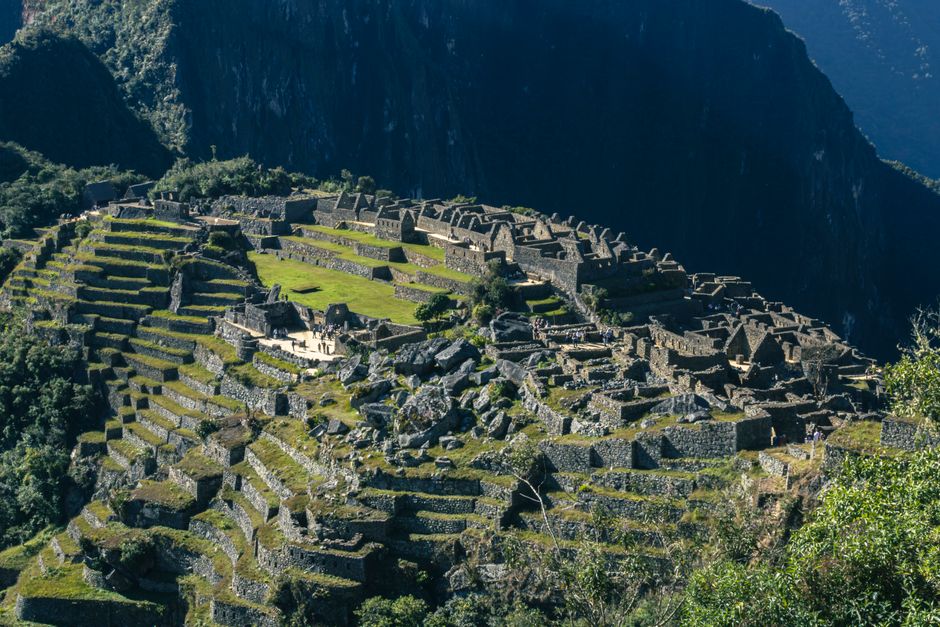
Peru offers a diverse range of travel experiences, from the coastal capital of Lima to the ancient ruins of Machu Picchu and the Amazon rainforest. Each region has its own price structure, and costs can vary significantly depending on the season, the level of comfort desired, and the time of booking. By examining each category in detail, travelers can better estimate their potential expenses and identify areas where adjustments might be made.
It is important to note that actual costs depend on multiple external factors, including exchange rates, local economic conditions, and personal preferences. The figures presented here serve as general reference points rather than fixed prices. Travelers are encouraged to conduct their own research and consider creating a flexible budget that can accommodate unforeseen changes.
Accommodation Costs in Peru
Accommodation is often one of the largest expense categories for a two-week trip to Peru. Options range from budget hostels to mid-range hotels and luxury lodges, with prices varying by location and amenities. In popular tourist areas such as Cusco, Lima, and Arequipa, a dormitory bed in a hostel might cost between $10 and $20 per night, while a private room in a budget hotel could range from $25 to $50. Mid-range hotels, offering more comfort and services, typically charge between $50 and $100 per night. Luxury accommodations, including boutique hotels and historic properties, can exceed $150 per night, especially in high-demand areas like the Sacred Valley.
Regional differences are notable. In less touristy areas, such as the northern coast or the Amazon basin, prices may be lower, but the range of options might be more limited. It is advisable to book accommodations in advance, particularly during peak seasons such as the dry season (May to September) and around major festivals like Inti Raymi in June. Last-minute bookings can lead to higher prices or limited availability.
To manage accommodation expenses, travelers might consider staying in hostels, guesthouses, or homestays, which can offer lower rates and opportunities for cultural exchange. Another approach is to choose accommodations slightly outside the main tourist centers, where prices tend to be more competitive. For those planning to visit multiple destinations, overnight buses can sometimes double as transport and accommodation, potentially reducing costs. However, this option requires considering comfort and the impact on travel experience.
Food and Dining Expenses
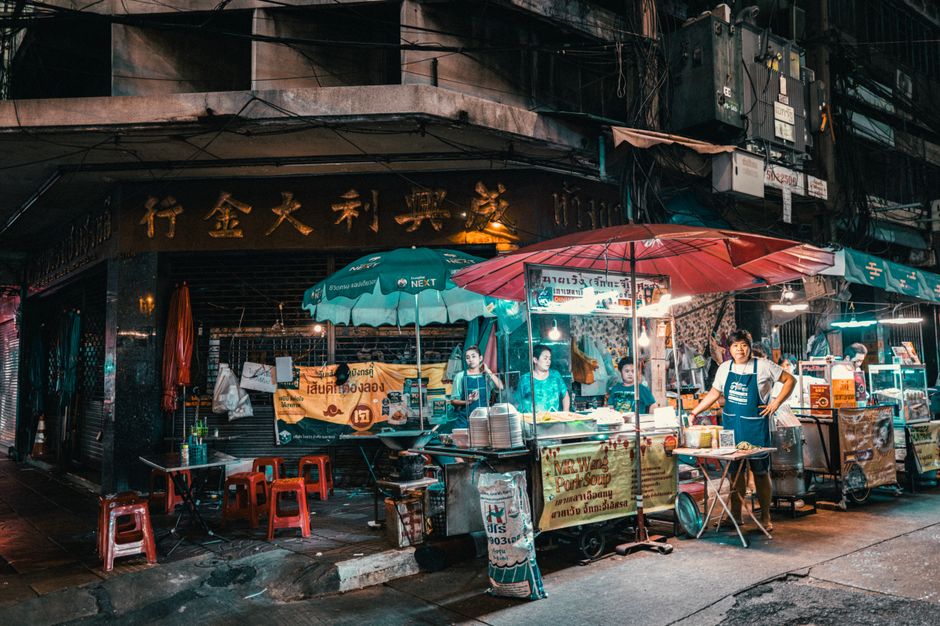
Food costs in Peru can vary widely depending on dining choices. Local markets and street vendors offer inexpensive meals, with items like empanadas, anticuchos, or menú del día (set lunch) often priced between $2 and $5. These options provide an authentic taste of Peruvian cuisine at a low cost. In contrast, restaurants in tourist areas may charge $10 to $20 for a main course, while fine dining establishments can exceed $30 per person. Beverages, including bottled water and soft drinks, typically cost $1 to $3, and alcoholic drinks like pisco sours may range from $5 to $10 in bars.
For a two-week trip, a traveler might budget approximately $15 to $30 per day for food if opting for a mix of local and mid-range dining. This estimate assumes three meals per day and occasional snacks. Those who prefer higher-end restaurants or have specific dietary requirements may need to allocate more. Cooking in hostel kitchens or staying at accommodations that include breakfast can help reduce food expenses.
It is also worth noting that food prices can be higher in remote areas, such as Machu Picchu Pueblo (Aguas Calientes), where supply chain costs are greater. In these locations, bringing snacks or planning meals carefully can help manage costs. Additionally, trying local fruits and produce from markets can be both economical and enjoyable.
Transportation Options and Costs
Transportation within Peru includes domestic flights, buses, trains, and local taxis or colectivos. For long distances, such as Lima to Cusco, a domestic flight might cost between $50 and $150 one way, depending on the airline and how far in advance the ticket is purchased. Buses are a more economical option, with overnight services covering the same route for $20 to $50, though travel time is significantly longer. Train services to Machu Picchu, such as those from Ollantaytambo or Poroy, can range from $60 to $120 round trip, with prices varying by class and demand.
Within cities, taxis and ride-sharing apps are common. A short taxi ride in Lima might cost $3 to $5, while in Cusco, rates are similar. Colectivos (shared vans) are cheaper, often under $1 for short trips. Public buses are the most economical, with fares around $0.30 to $0.50, but they can be crowded and less convenient for travelers with luggage.
For a two-week itinerary covering multiple regions, transportation costs could range from $200 to $500 per person, depending on the mix of flights, buses, and trains. Booking transport in advance, especially for trains to Machu Picchu, is often necessary and can help secure lower prices. Flexibility with travel dates and times can also lead to savings. It is advisable to verify schedules and prices through official websites or reputable agencies.
Activities and Entrance Fees
Activities and entrance fees represent another significant portion of the travel budget. The iconic Machu Picchu entrance ticket costs about $50 for adults, with additional fees for guided tours or hiking permits for Huayna Picchu or Machu Mountain. Other popular sites, such as the Sacred Valley (Pisac, Ollantaytambo), Colca Canyon, and Lake Titicaca, have entrance fees ranging from $5 to $25 per site. Multi-site passes, like the Boleto Turístico in Cusco, can offer savings for those planning to visit several attractions.
Adventure activities such as trekking, river rafting, or Amazon jungle tours vary in price. A classic four-day Inca Trail trek can cost $500 to $800, including permits, guides, and meals. Alternative treks like the Salkantay or Lares routes may be slightly less expensive. Jungle tours from Puerto Maldonado or Iquitos typically range from $300 to $600 for three to four days, depending on the level of comfort and inclusions.
Cultural activities, such as cooking classes, weaving workshops, or visits to local communities, often cost $20 to $50. These experiences can provide deeper insights into Peruvian culture and may be worth including in the budget. To manage activity expenses, travelers might prioritize a few key experiences, look for combo tickets, or travel independently where feasible. It is also wise to check whether certain activities are included in tour packages or accommodation offers.
Tips for Reducing Expenses Without Sacrificing Experiences
Travelers can adopt various strategies to keep costs manageable while still enjoying a rich travel experience. One approach is to travel during the shoulder seasons (April–May and September–October), when prices for accommodation and tours may be lower, and crowds are thinner. Another is to use public transportation and local eateries, which are both economical and culturally immersive. Staying in hostels or guesthouses with kitchen facilities allows for preparing some meals, reducing food costs.
Planning ahead is key. Booking flights, trains, and trek permits well in advance can secure lower rates and ensure availability. Researching free or low-cost activities, such as walking tours, museums with free entry days, and hikes, can add value without significant expense. Additionally, carrying a refillable water bottle and using purification tablets can save money on bottled water.
It is also helpful to set a daily budget and track spending to avoid overspending. Using cash in local currency often yields better exchange rates than card payments, though it is important to carry small bills for markets and taxis. Finally, consider joining group tours for certain activities, as sharing costs with others can reduce per-person expenses.
“A well-planned budget can enhance the travel experience by reducing financial stress and allowing travelers to focus on the journey.”
In conclusion, budgeting for a two-week trip to Peru requires careful consideration of accommodation, food, transport, and activities. By understanding the typical price ranges and applying cost-saving strategies, travelers can tailor their budget to their preferences and circumstances. The figures provided are estimates, and actual expenses will depend on individual choices and external factors. With thorough research and flexible planning, a memorable Peruvian adventure can be both enjoyable and financially sustainable.