Schengen Visa Application Tips for Independent Travelers
For independent travelers, planning a trip to Europe often involves navigating the Schengen visa process. This visa allows entry to 27 European countries, making it a valuable document for those exploring multiple destinations. However, the application can seem complex, with specific requirements and procedures that vary by consulate. Understanding these steps can help streamline the process and reduce uncertainty.
This article provides a step-by-step overview of preparing a Schengen visa application. It covers required documents, appointment scheduling, and common pitfalls to avoid. The information is intended to inform and guide, emphasizing the importance of thorough preparation. While outcomes depend on individual circumstances and consular decisions, a careful approach can contribute to a smoother experience.
Wanderlust Compass recommends that travelers review official sources and plan well in advance. The goal is to approach the application with clarity and organization, ensuring all necessary details are addressed.
Determining Where to Apply
The first step in the Schengen visa process is identifying the correct embassy or consulate to submit your application. If you plan to visit multiple Schengen countries, you must apply at the consulate of the country where you will spend the most days. If the duration of stay is equal across countries, apply at the consulate of the first country you will enter. This rule helps ensure that the application is processed efficiently.
It’s important to verify the jurisdiction of each consulate, as some may only accept applications from residents of specific regions. In the United States, for example, consulates often have designated service areas based on your state of residence. Applying to the wrong consulate can lead to delays or rejection, so confirm the correct office before proceeding. Additionally, some countries outsource visa processing to third-party centers, which may have different procedures. Always check the official website of the consulate for accurate information.
Required Documents for Your Application
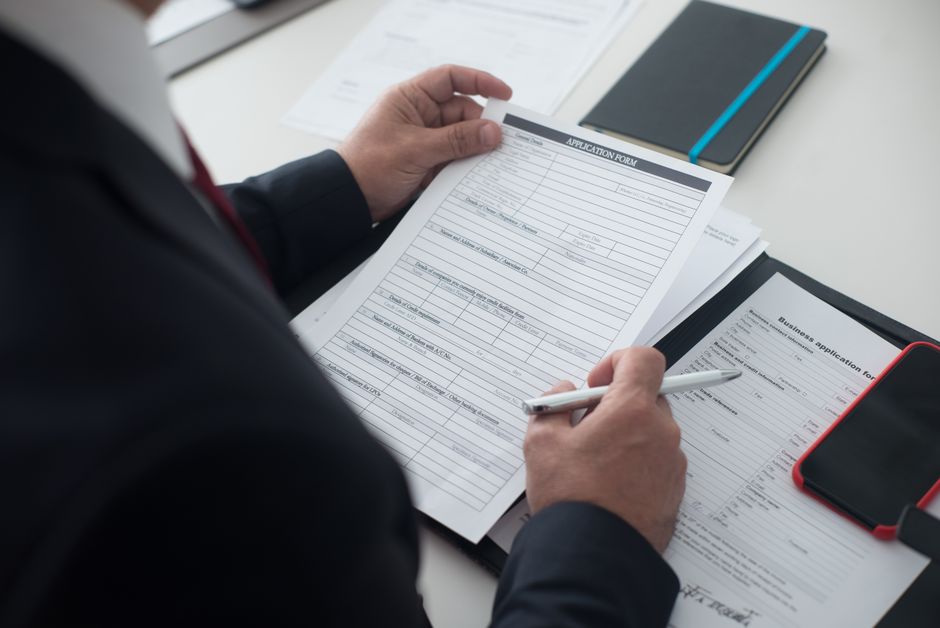
A complete application package is essential for a Schengen visa. The specific requirements may vary slightly by country, but most consulates require a standard set of documents. These include a valid passport with at least two blank pages, a completed visa application form, and recent passport-sized photographs. The passport should be valid for at least three months beyond your intended departure from the Schengen area.
Travel insurance is a mandatory requirement, with coverage of at least €30,000 for medical emergencies and repatriation. This insurance must be valid throughout the Schengen area for the entire duration of your stay. Proof of accommodation, such as hotel reservations or a letter of invitation, is also required. Additionally, you must provide proof of sufficient funds to cover your expenses during the trip. This can be shown through bank statements, credit card statements, or traveler’s checks. The amount required varies by country and length of stay.
For independent travelers, it’s also advisable to include a detailed itinerary. This shows the consulate your planned route and demonstrates that you have a clear purpose for your visit. If you are employed, a letter from your employer stating your position, salary, and approved leave can be helpful. Students may need to provide proof of enrollment and a letter from their school. Retirees can submit pension statements. All documents should be originals or certified copies, and translations may be required if they are not in the language of the consulate.
Scheduling an Appointment
Once your documents are prepared, you need to schedule an appointment at the consulate or visa application center. Appointment availability can vary greatly depending on the time of year and the consulate’s workload. In busy periods, such as before the summer travel season, slots may be booked weeks or even months in advance. It is wise to start the scheduling process as early as possible, ideally as soon as you have confirmed travel dates.
Most consulates offer online appointment booking systems. You will need to create an account, fill in your personal information, and select a date and time. Some consulates require you to pay a visa fee at this stage, while others collect it during the appointment. Be sure to double-check the fee amount and accepted payment methods. After booking, you should receive a confirmation email. Print this and bring it to your appointment.
If you are unable to find an appointment, consider checking the website regularly for cancellations or try contacting the consulate directly. Some third-party visa centers offer premium services for an additional fee, which may include faster appointment scheduling. However, these services do not guarantee a visa and should be used with caution. Always rely on official channels for scheduling and avoid unofficial agents who may charge exorbitant fees.
Preparing for the Interview
At the appointment, you will submit your documents and provide biometric data, such as fingerprints and a digital photograph. Some consulates may also conduct a brief interview. The interview is typically straightforward and aims to verify the information in your application. You may be asked about your travel plans, purpose of visit, and financial means. Answer honestly and concisely, and provide any additional documents if requested.
Dress neatly and arrive on time. Being organized with your documents can help make the process smoother. Bring all original documents, even if you have already submitted copies. It’s also a good idea to have a copy of your itinerary and any reservations readily available. If you are traveling with others, each person should have their own set of documents, even if applying as a family.
After the interview, your application will be processed. Processing times can vary, but typically take around 15 calendar days. In some cases, it may take longer if additional verification is needed. You can usually track your application status online. Once approved, you will need to collect your passport with the visa sticker. Check the visa details carefully to ensure the dates and number of entries are correct.
Common Mistakes to Avoid
Many applications are delayed or denied due to avoidable errors. One common mistake is applying too late. Consulates recommend applying at least 15 days before your trip, but it’s better to apply several weeks in advance. Another mistake is providing incomplete or inconsistent information. For example, if your itinerary shows different dates than your flight reservations, it can raise red flags. Ensure all documents align with your stated travel plans.
Another pitfall is inadequate proof of funds. Simply showing a bank statement with a low balance may not suffice. You need to demonstrate that you have enough money to cover your expenses for the entire trip. The required amount varies, but a general guideline is around €50-100 per day. Additionally, avoid purchasing non-refundable travel arrangements before your visa is approved. While it’s good to show confirmed reservations, you can use refundable bookings or reservation services to avoid financial loss if the visa is denied.
Lastly, be truthful in all statements. Providing false information can lead to immediate rejection and may affect future visa applications. If you have previous visa refusals, it’s better to disclose them and explain the circumstances. Concealing such information can be seen as misrepresentation, which is a serious issue. Always double-check your application for accuracy before submission.
“Thorough preparation and attention to detail are key to a successful Schengen visa application. Independent travelers should allow ample time and verify all requirements with the official consulate.”
By following these steps and avoiding common errors, you can approach the Schengen visa process with greater confidence. Remember that each consulate may have specific requirements, so always consult official sources. With careful planning, your European journey can begin on a positive note.